Auto Body Shop vs. Collision Center: What Los Angeles Drivers Should Know

After an accident or unexpected vehicle damage, Los Angeles drivers are often faced with an important decision: should the car be taken to an auto body shop or a collision center? While these terms are sometimes used interchangeably, they refer to different types of repair facilities, each serving a specific purpose. Understanding the difference helps ensure your vehicle is repaired properly, safely, and efficiently.

Understanding Auto Body Shops

An auto body shop primarily focuses on restoring the exterior appearance of a vehicle. These facilities specialize in cosmetic repairs that improve how a car looks but do not typically involve major structural or mechanical work.

Auto body shops commonly handle:

  • Minor dents and dings
  • Scratches and paint damage
  • Panel replacement
  • Color matching and refinishing

For cosmetic issues such as parking lot damage or light surface wear, an auto body shop is often a practical solution. However, these shops may not be equipped to address frame damage or safety-related repairs following a collision.

What Is a Collision Center?

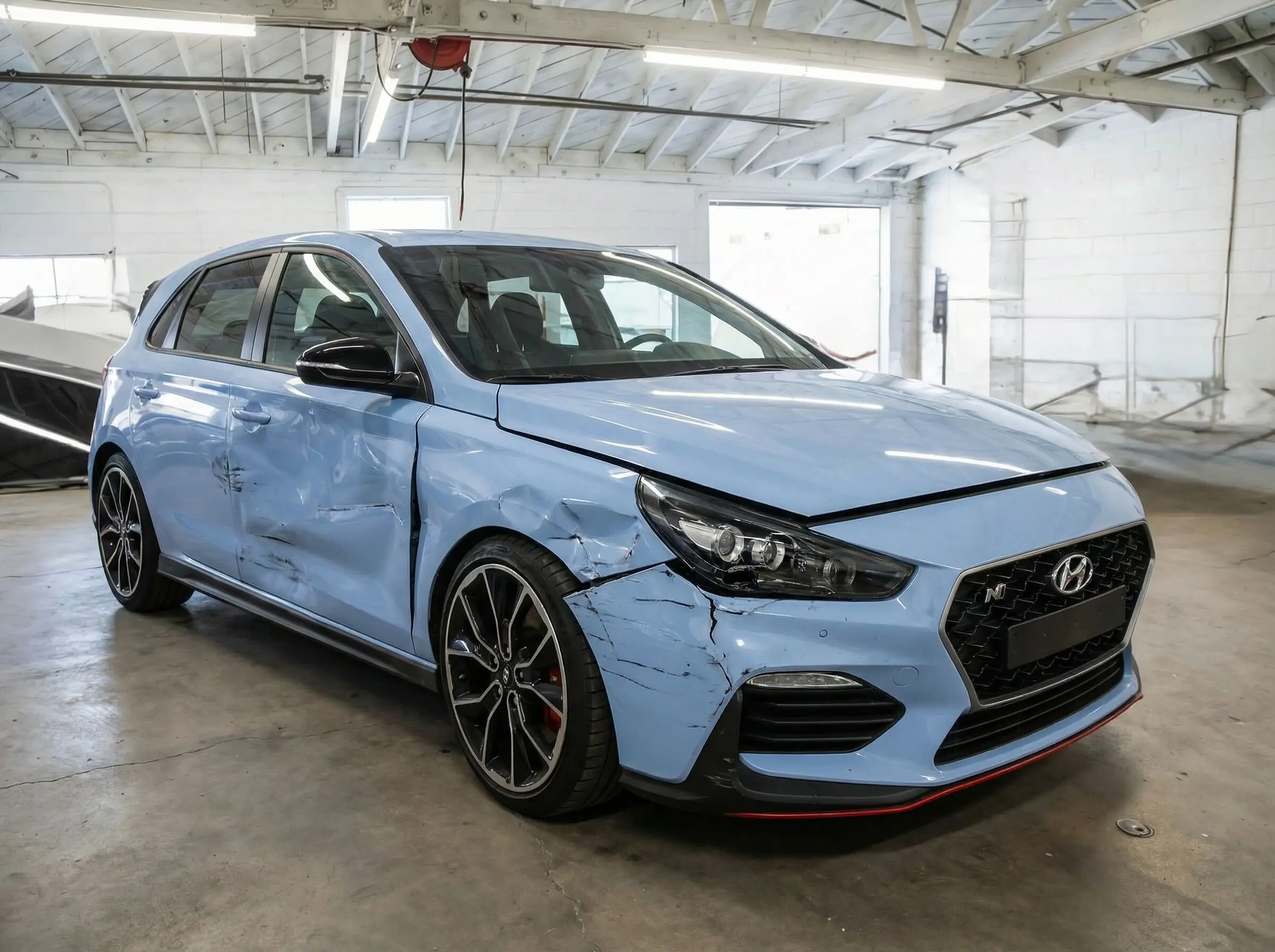
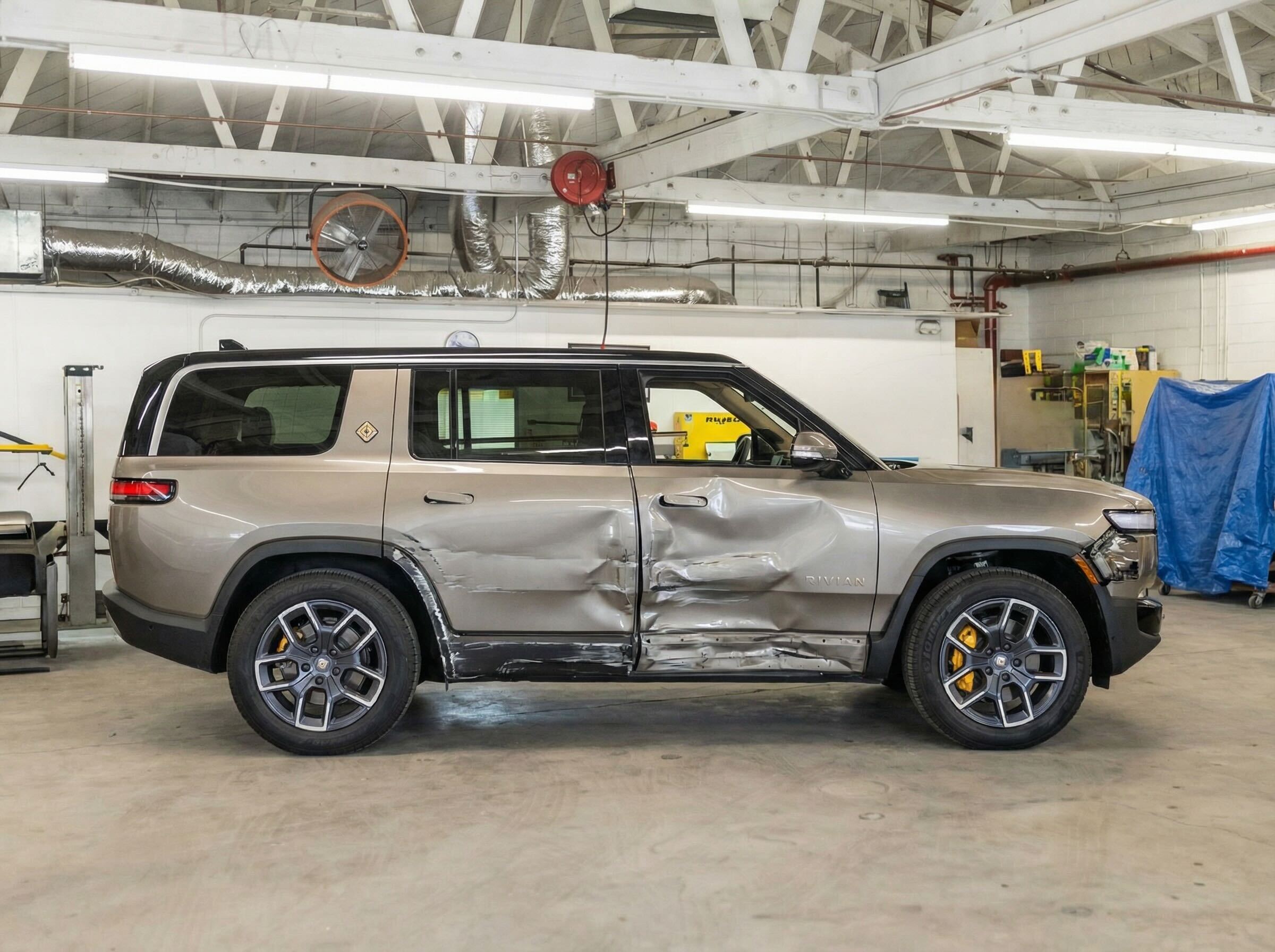
A collision center is designed to handle more extensive vehicle damage, particularly following an accident. In addition to cosmetic repairs, collision centers are equipped to diagnose and repair structural, mechanical, and safety-critical components.

Collision centers typically offer:

  • Frame and structural repairs
  • Suspension and alignment services
  • Advanced diagnostics
  • Mechanical and safety system repairs
  • Insurance claim coordination

Because collisions can affect a vehicle’s integrity and safety systems, collision centers use specialized equipment and trained technicians to ensure repairs meet manufacturer and industry standards.

Key Differences Between an Auto Body Shop and a Collision Center

Auto Body Shop

  • Primary focus: Cosmetic repairs
  • Damage level: Minor
  • Equipment: Basic repair tools
  • Insurance support: Limited
  • Safety systems: Rarely addressed

Collision Center

  • Primary focus: Structural and comprehensive repairs
  • Damage level: Moderate to severe
  • Equipment: Advanced diagnostic and frame equipment
  • Insurance support: Commonly provided
  • Safety systems: Fully evaluated and repaired

How to Choose the Right Repair Facility

Before selecting a repair provider, consider the following:

  • Extent of damage: Structural or safety-related issues require a collision center
  • Insurance involvement: Collision centers often work directly with insurers
  • Certifications and training: Shows higher repair standards
  • Reputation and experience: Especially important in large markets like Los Angeles

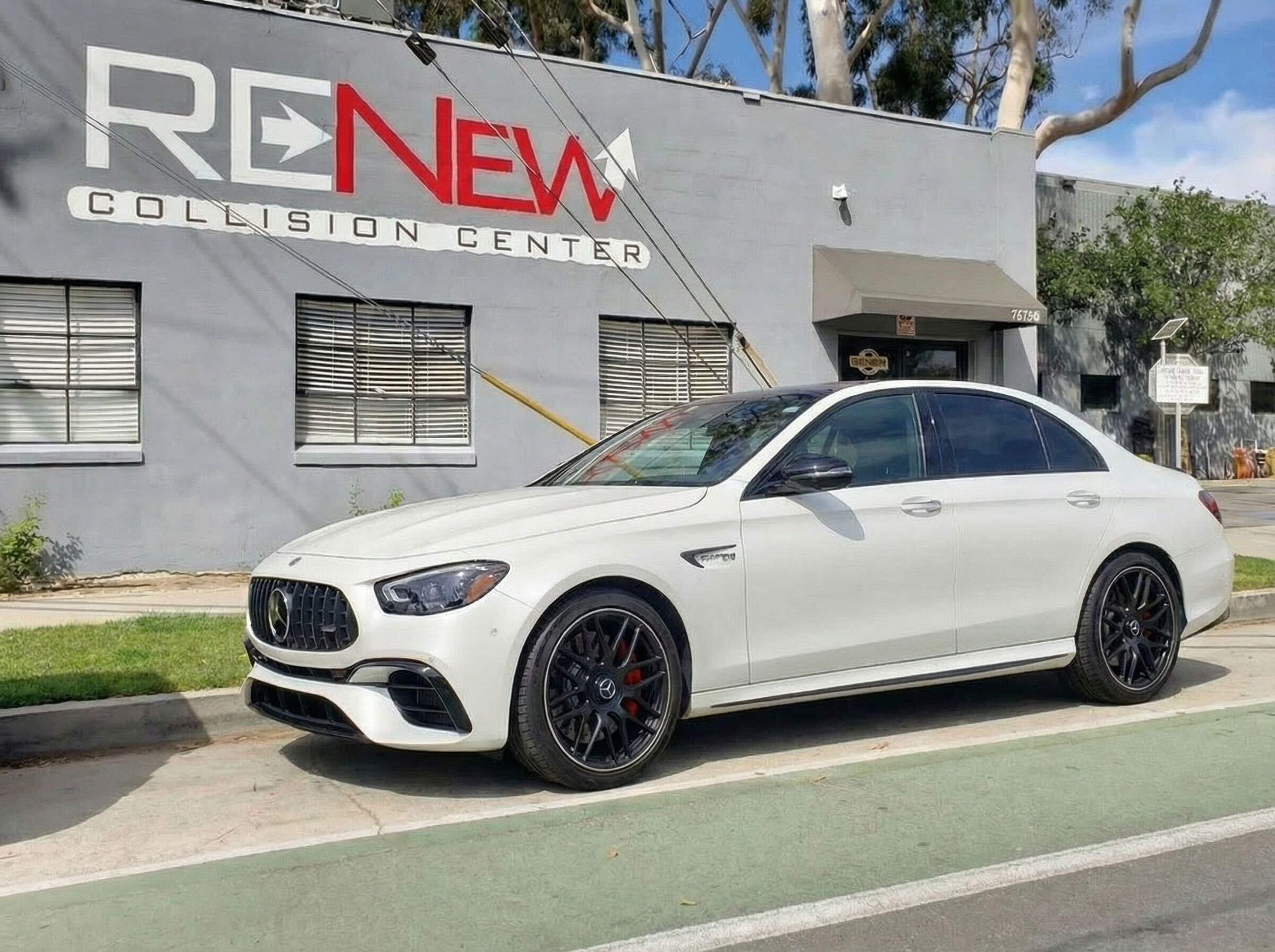
Why Los Angeles Drivers Choose Renew Collision Center

For drivers seeking a reliable and professional collision repair facility, Renew Collision Center offers a comprehensive solution.

Key advantages include:

  • Full-service collision repair (auto body, frame, suspension, mechanical, and paint work)
  • Certified technicians with advanced industry training
  • Insurance coordination for smoother claims
  • Free transparent repair estimates
  • Strong local reputation and customer trust

Renew is ideal for drivers who want one trusted center for both cosmetic and complex collision repairs.

Conclusion

Auto body shops are best for minor cosmetic damage, while collision centers are essential for serious accident repairs involving safety and structural integrity.

For Los Angeles drivers who prioritize quality, safety, and professionalism, a certified collision center like Renew ensures repairs meet high industry standards — protecting both the vehicle and its occupants.